
How to Write Case Studies That Impress Clients
Your portfolio shows what you’ve done. Case studies show why it matters—and how you think. We’ll walk you through the framework that turns projects into stories clients actually want to read.
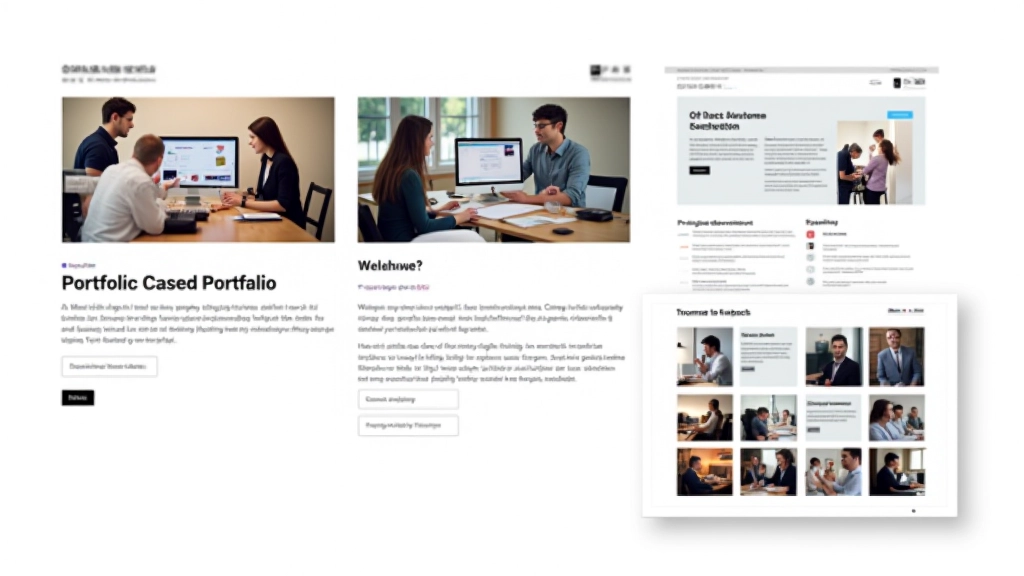
Why Case Studies Matter More Than You Think
Here’s what happens when a client lands on your portfolio: they scroll through your work for maybe 30 seconds. That’s it. Most never dig deeper unless something grabs them—and screenshots alone won’t do it.
A solid case study changes that. It’s the difference between “oh, that’s nice” and “wait, I need to talk to this person.” You’re not just showing a finished product anymore. You’re explaining the thinking behind it, the problems you solved, and the impact it had. That’s what makes clients lean in.
The good news? You don’t need to be a writer to do this well. You need a framework—something that guides you through what to include, how to structure it, and what actually matters to the people hiring you.

The Three Elements Every Case Study Needs
Not all case studies are created equal. The ones that actually get results follow a simple pattern—and it’s not complicated.
The Problem & Context
Start with what was broken. Don’t be vague—specific problems grab attention. “Client’s website wasn’t converting” is fine. “Their e-commerce site had a 1.2% conversion rate, 40% below industry standard” is what makes someone keep reading.
Your Process & Thinking
This is where you prove you’re not just a tool operator—you’re a strategist. Show your research, your decisions, why you chose one direction over another. Walk them through 3-4 key decisions you made and what informed them.
The Outcome & Impact
End with numbers when you have them. Conversion rate increase, time saved, user satisfaction—whatever’s relevant. But if you don’t have metrics, that’s okay. Describe the qualitative impact: “Client landed three new enterprise accounts within two months.”
Start With a Problem Worth Solving
Don’t bury the lead. The first thing a potential client wants to know is: “Did this person solve something I care about?” You’ve got about 2-3 sentences to answer that.
Most portfolios fail here. They write: “We redesigned the website.” Nobody cares. They write: “The site wasn’t meeting business goals, so we redesigned it.” Still boring. Instead, show the gap between where they were and where they needed to be.
Be specific. Numbers help, but so does clarity. “Their dashboard was taking 45 seconds to load—frustrating their analytics team daily” is better than “performance was slow.” Clients recognize themselves in specific problems. That’s when they stop scrolling.
The context matters too. What was the business trying to achieve? Were they launching a new product line? Struggling with user retention? Competing in a crowded market? Paint the picture so readers understand the stakes.


Show Your Thinking—Not Just Your Tools
This is your chance to separate yourself from people who just use Figma or WordPress. Anyone can execute—you’re showing judgment.
Walk through 3-4 key decisions you made. For each one, explain: what was the question, what were your options, and why you chose what you chose. “We tested two navigation structures with 12 users and found X performed better” beats “we created an intuitive navigation.” See the difference?
Include before/after visuals here. But don’t just show the pretty final design—show the iteration. A screenshot of an early wireframe next to a refined version next to the final product tells a story. It shows you iterate, you refine, you care about details.
Mention constraints too. Budget limitations, timeline pressures, technical requirements—these are real. And they make your solutions more impressive. “We delivered a custom animation library in two weeks” sounds better than “we built animations,” doesn’t it?
Real Examples From Designers in Malaysia & Singapore
Here’s how designers in this region are doing it right.
The E-Commerce Redesign
Problem: A Kuala Lumpur fashion brand’s site had high traffic but low sales. Cart abandonment was at 68%.
Process: Conducted user testing with 15 existing customers. Found checkout was four steps—reduced it to two. Redesigned product pages to show size guides (major friction point). Added trust signals: testimonials, fast shipping badge.
Outcome: Cart abandonment dropped to 42% within three months. Average order value increased 18%.
The SaaS Dashboard
Problem: A Singapore software company’s analytics dashboard overwhelmed users. Most never got past the homepage tutorial.
Process: Interviewed 8 power users and 8 beginners separately. Discovered two entirely different mental models. Built progressive disclosure—beginners see 5 metrics, advanced users can customize to 20+. Simplified data visualization using color hierarchy.
Outcome: New user activation increased 34%. Users spent 2.5x longer in the product daily.
End Strong With Real Impact
This is where you close the loop. The problem was real, you solved it thoughtfully, and here’s what changed.
Numbers are powerful—but only if they matter. “We increased page speed by 2.3 seconds” sounds technical. “That 2.3-second improvement reduced bounce rate by 22%” connects the dots. Always tie your metrics to business outcomes.
Don’t have hard metrics? That’s okay. Qualitative impact is legitimate: “The client’s support team went from fielding 40 daily UI questions to 8. They’re now focusing on feature development.” That’s impact a client understands.
And here’s the thing: mention what you’d do differently next time. It shows you’re reflective. “If we did this again, we’d involve the support team earlier in the process—they caught issues we missed in QA.” That kind of honesty builds trust faster than perfect success stories ever could.

Quick Checklist: Is Your Case Study Ready?
The Difference Between a Portfolio and a Sales Tool
Without case studies, your portfolio is just a gallery. With them, it’s a conversation starter. Clients don’t just see what you can do—they understand how you think and what impact you deliver.
Start with one solid case study. Pick your best project, one where you can speak honestly about the problem, your process, and the results. Write it like you’re explaining the project to a friend—clear, specific, and genuine. That’s when case studies actually work.
Your portfolio is where clients land. Your case studies are what make them stay.

Disclaimer
This article is educational and informational in nature. The frameworks, examples, and suggestions are based on common industry practices and real design scenarios. Your specific results will vary depending on your project scope, industry, audience, and execution. Case study formats should be adapted to your unique context, client guidelines, and business objectives. Always verify client data before publishing case studies, and ensure you have proper permissions to showcase their work.