
What Makes a Portfolio Actually Stand Out
Most portfolios look the same. We break down the three design choices that make yours memorable and worth remembering.
Read MoreStructure matters. You’ll learn the navigation patterns that work best for portfolio sites, plus what to include in each section.
Your work is good. But here’s the thing — if people can’t navigate your portfolio easily, they’ll leave. Studies show visitors spend about 15 seconds scanning a site before deciding whether to stay or bounce. That’s not much time to make an impression.
The best portfolios aren’t always the most beautiful. They’re the ones that make sense. Clients and employers want to understand what you do, see your best work, and know how to get in touch. Everything else is just noise.

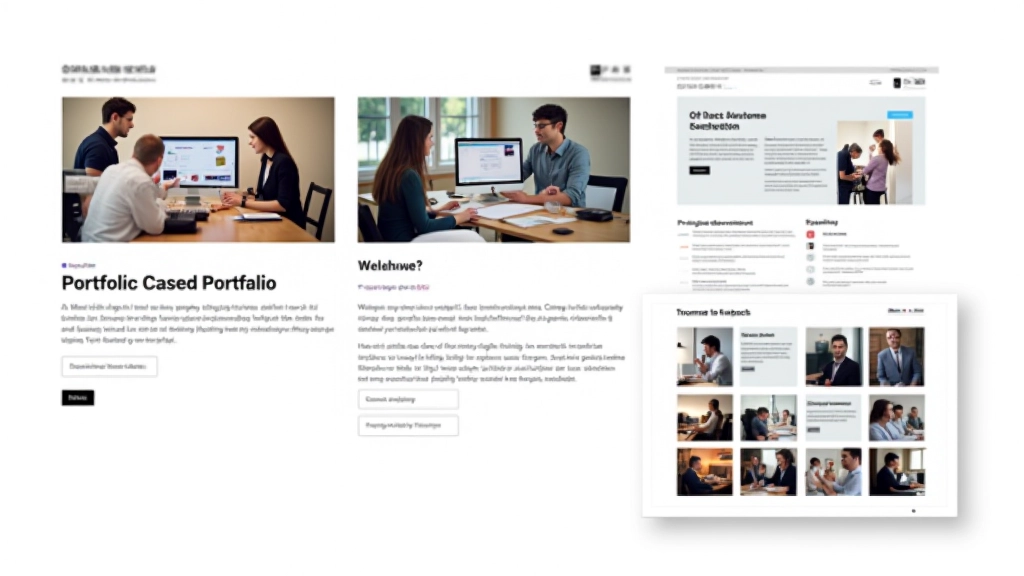
Your portfolio page (where you show your actual work) should be organized so visitors can find what they’re looking for without scrolling forever. The best approach? Group your projects by category or by client type.
Say you design for both tech startups and local restaurants. Create filter buttons or sections that let people jump to what’s relevant to them. If someone’s looking for restaurant branding work, they don’t want to scroll through 20 tech projects to find it.
Another option: arrange projects by most recent first or by your strongest work first. Don’t put weak projects on your portfolio — they’ll actually hurt you. It’s better to show 5 great projects than 15 mediocre ones.
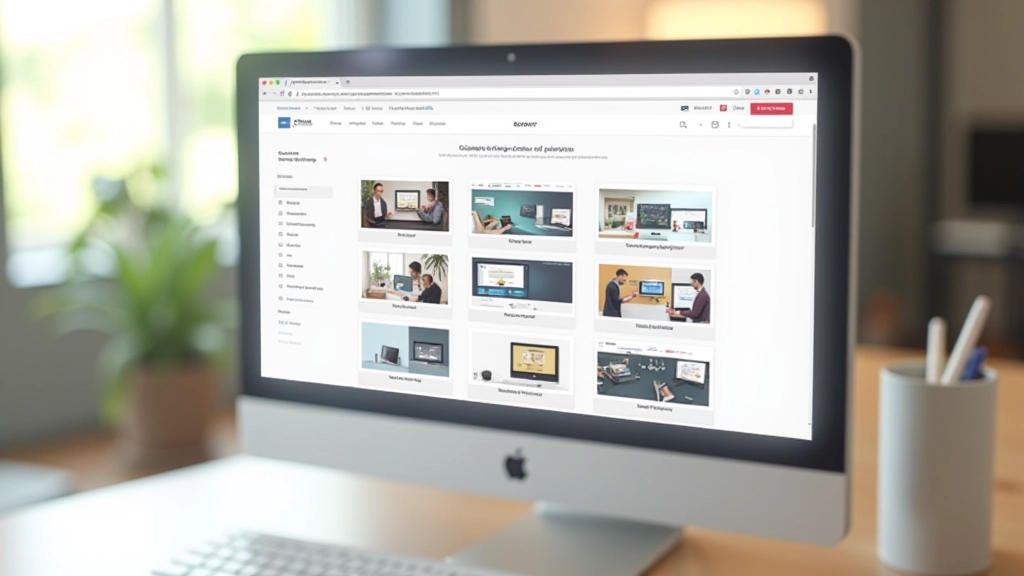
When someone clicks on a project, don’t just show them the finished design. They want to understand what you actually did. This is where a case study comes in — and it doesn’t have to be complicated.
A good project page includes: the client or project name, a brief description of what the project was about, your role in it, and the final result. That’s honestly enough. You don’t need a 3,000-word deep dive about your design philosophy unless you’re really trying to impress someone.
Most people won’t read it anyway. They want to see the work. So make sure your images are high quality and the layout is clean. Let the design speak for itself.
People scan websites. They don’t read them word by word. That means you need to make it dead obvious what’s important.
Use size, color, and spacing to guide attention. Your best work should stand out. Featured projects should be bigger than smaller ones. Headlines should be clearly headlines, not just text that’s slightly darker.
On your home page, you might feature your 3 strongest projects prominently, then have a “View all work” link that takes people to your full portfolio. This works because it shows your absolute best first, and people who want more can find it easily.
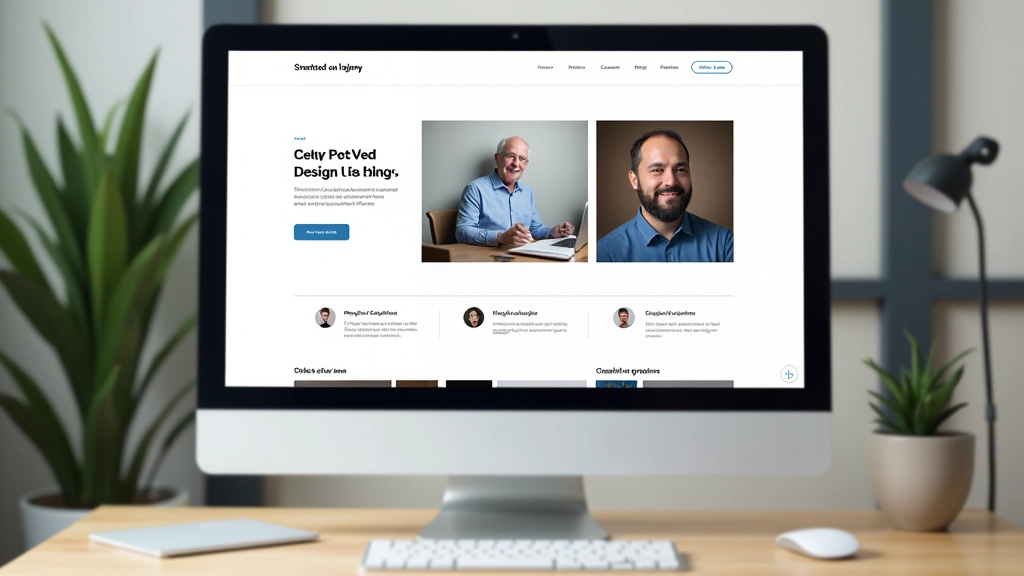
Keep it short. Most people don’t care about your entire life story. They want to know: who are you, what do you do, and why should they work with you? A paragraph or two is plenty. Add a photo so you’re not just a faceless designer. Include a few details about your experience — “15+ years in branding” or “specialized in e-commerce design” — so people know what they’re getting.
Make it obvious how to get in touch. A contact form works, but include your email address too. Some people prefer emailing directly instead of filling out a form. The easier you make it to reach you, the more inquiries you’ll get. Include a simple line like “I typically respond within 24 hours” so people know what to expect.
Getting your portfolio organized won’t make you a better designer. But it will make sure people actually see your best work. And that’s half the battle right there.
Start with a clean navigation. Organize your projects logically. Create clear visual hierarchy. Keep your about and contact pages straightforward. That’s the framework. The rest is just refinement.
Ready to audit your own portfolio? Take a look at your site through a visitor’s eyes. Can they find what they need? Can they contact you easily? If the answer’s no to either one, you know what to fix first.

This article provides general guidance on portfolio organization and structure. Every designer’s situation is different — your portfolio might benefit from a unique approach based on your specific field, target clients, or design philosophy. Use this as a framework, not a rigid rulebook. The best portfolio is one that authentically represents your work and makes it easy for the right clients to find you.